Best Practices for Digital Signature Verification
The Legal Weight of Digital Signatures
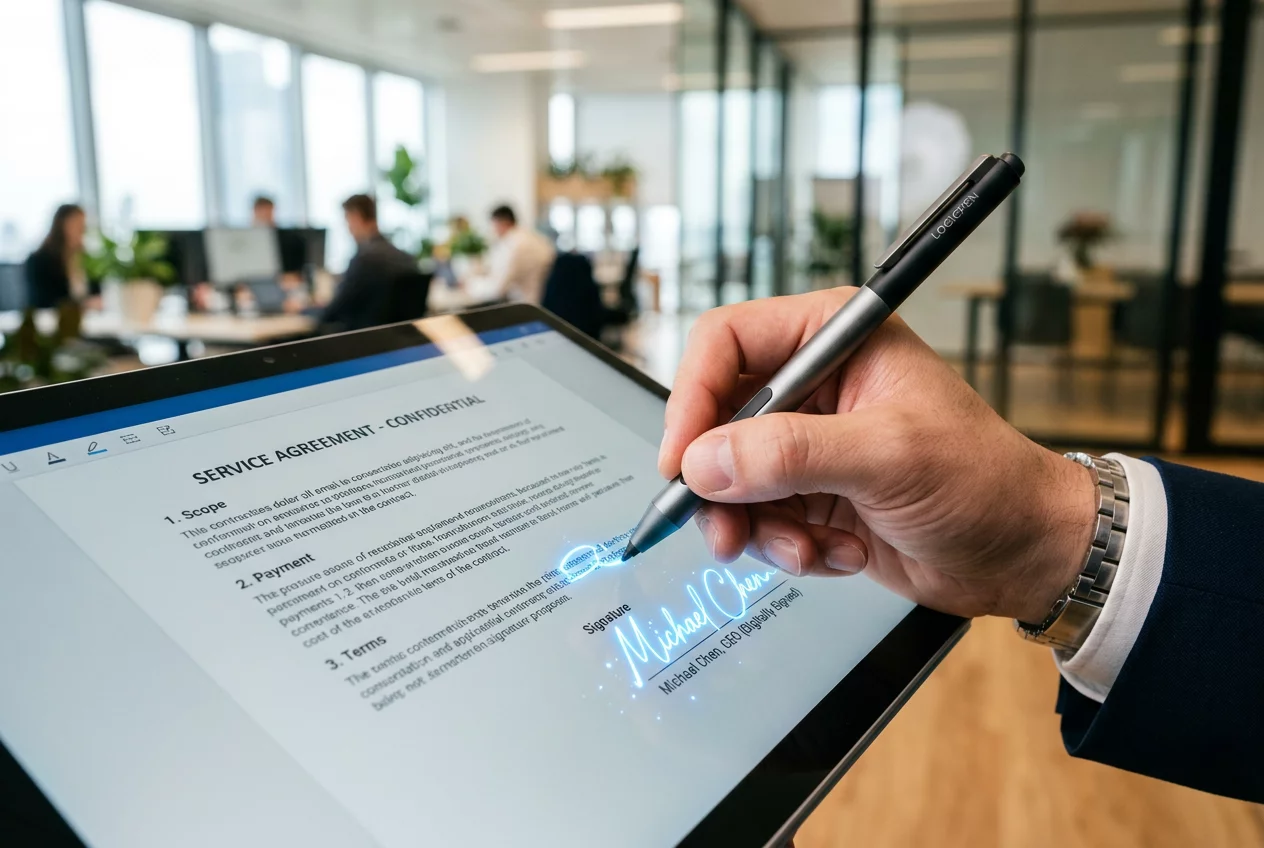
Contracts signed digitally now carry the same legal authority as those signed with ink. This shift has accelerated business cycles globally. However, the validity of a signature depends on technical verification. A simple image of a name is not a secure signature. Cryptographic signatures bind the identity of the signer to the document content. Any modification to the file after signing breaks the seal. This ensures the integrity of the agreement. Understanding how to verify these marks is essential for legal and procurement teams.
Steps for Rigorous Verification
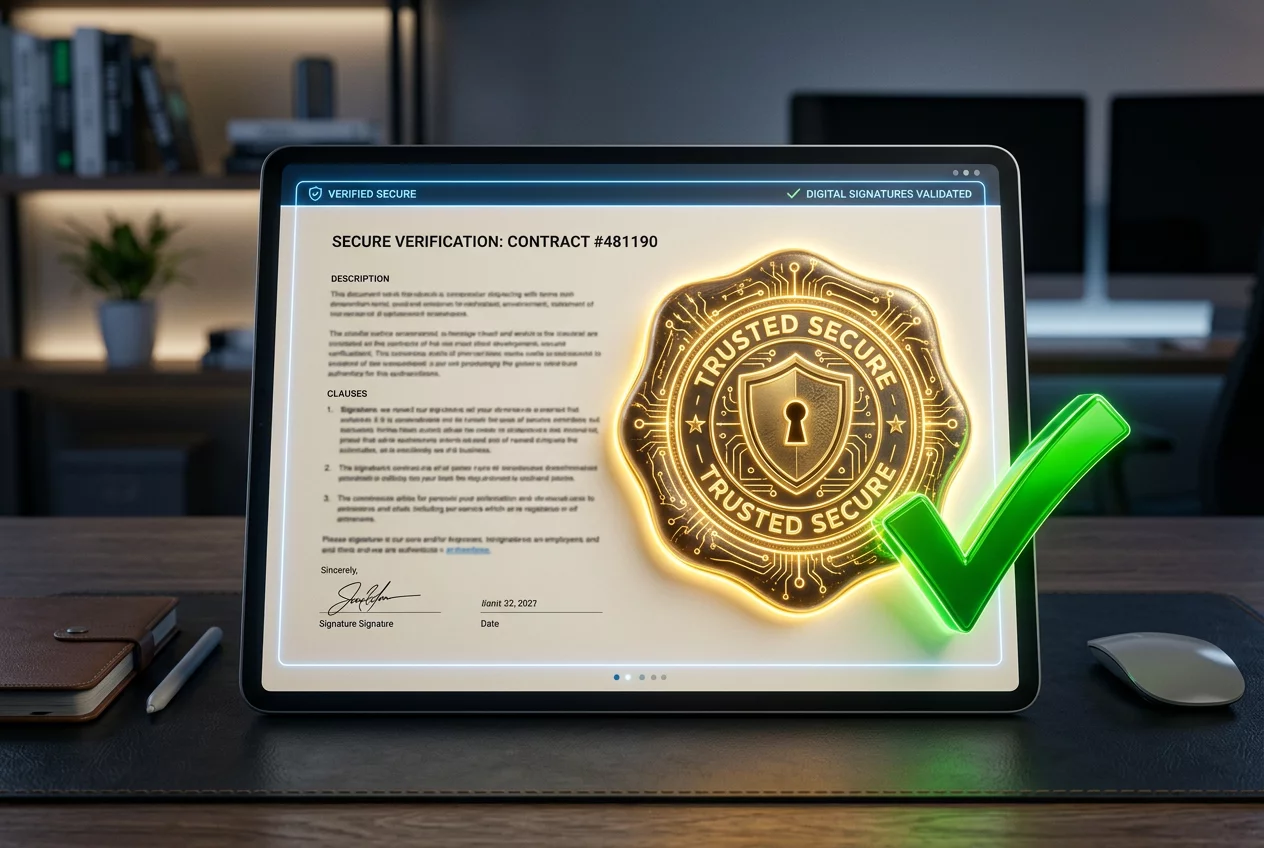
Open the document in a trusted reader like Turnexedic to begin the check. Look for the signature panel at the top of the interface. The software communicates with certificate authorities to validate the signer's identity. Check if the certificate was valid at the exact time of signing. Inspect the chain of trust to ensure the issuer is recognized. Look for a green checkmark or a similar visual indicator of validity. Verify that no changes have been made since the signature was applied. Otherwise, the document might be considered tampered with in a court of law.
{{image-blog-post5-intext-1}}
Common Pitfalls in Digital Signing
Many organizations fail to implement proper signing procedures. Using expired certificates is a frequent mistake. This renders the signature invalid for future verification. Another issue involves using self-signed certificates that external partners cannot trust. Always use certificates from reputable providers. Avoid placing signatures on documents that are still in the draft phase. Finalize the content completely before initiating the signing workflow. Ensure that all parties use compatible software to avoid rendering errors. Standardizing the process minimizes the risk of technical disputes.
Mobile Signing and Remote Verification
The ability to sign documents on the go has become a necessity. Mobile devices use biometrics like facial recognition to authorize the signature. Verification on mobile screens should be just as detailed as on a desktop. Check the metadata of the signature for location and timestamp information. Use long-term validation (LTV) to ensure the signature remains verifiable even after the certificate expires. Store the signed originals in a secure digital vault. Manage the access to these files carefully to maintain the chain of custody. Adopt a consistent policy for all departments to follow. Regular audits of signed documents help identify weaknesses in the current system. Professional tools simplify these complex technical checks for the average user.
Comments 2

Kelly Daniels
What happens if the certificate expires in 5 years? Is the signature still valid?

Mackenzie Hicks
If you use Long-Term Validation (LTV), the signature remains valid because it includes a timestamp and the certificate status at the time of signing.