The Evolution of the Paperless Office in 2026
The Reality of Paperless Workspaces
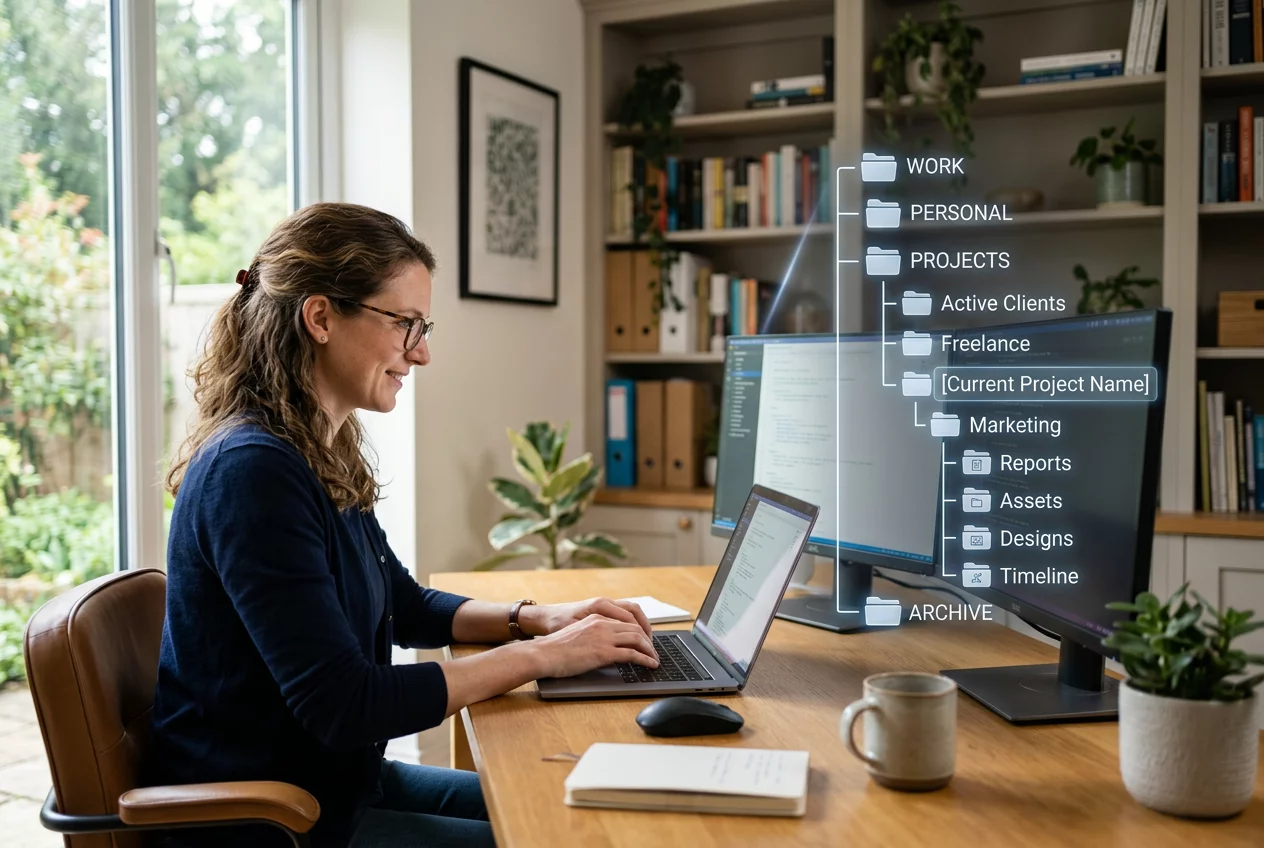
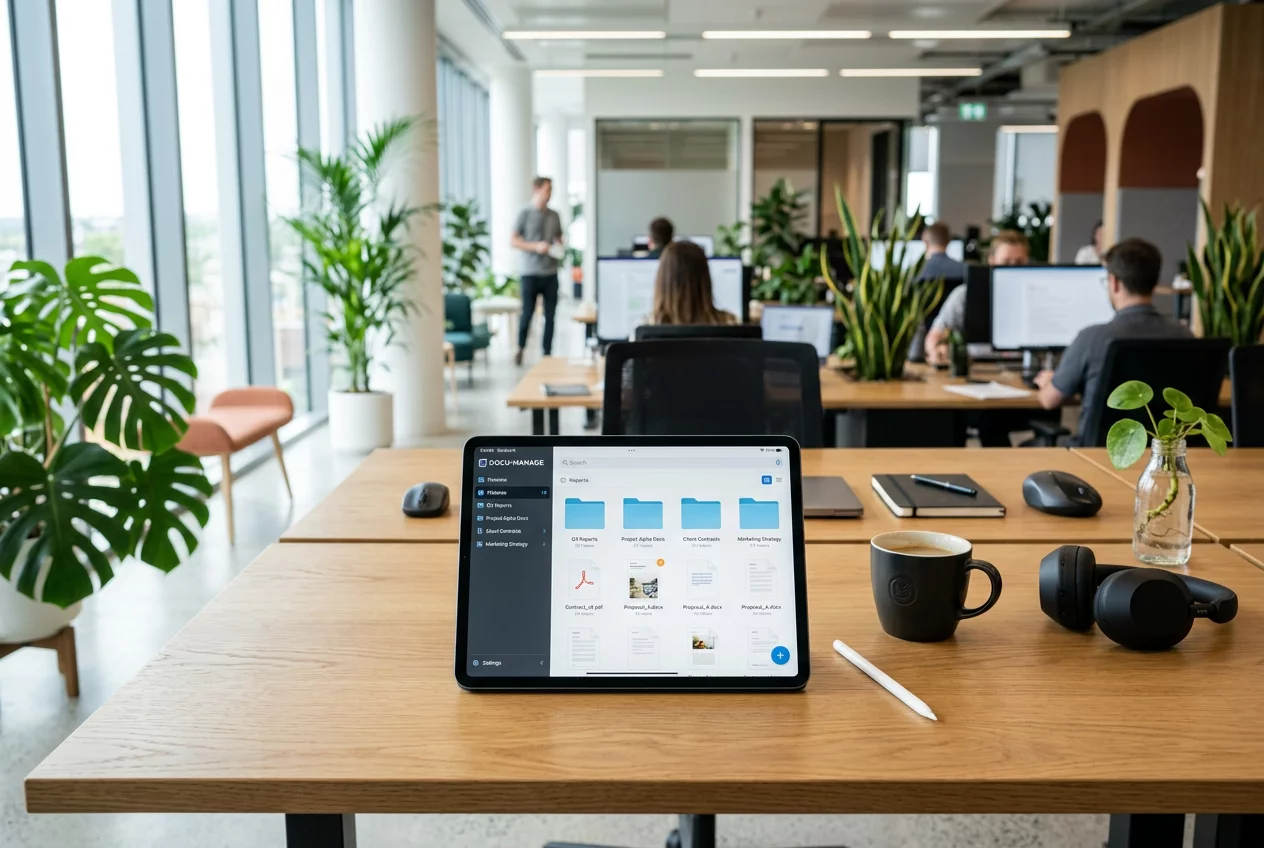
Modern workplaces look significantly different today in mid-2026 compared to just five years ago. Physical filing cabinets have vanished from most corporate headquarters. Digital infrastructure now serves as the backbone for every operational process. Digital documents move across networks with unprecedented speed. High-speed scanners rarely see action because almost every contract starts its life as a digital file. Professionals rely on these systems to maintain organized records without the burden of physical storage.
Technological Shifts in Document Management
Artificial intelligence drives the most significant changes in how we handle files. Modern software identifies document types automatically. It tags invoices with dates and vendor names instantly. Metadata replaces the manual sorting of the past. Turnexedic integrates these features to help users find specific information within seconds. Automated workflows route these documents to the correct departments based on content recognition. This reduces human error in administrative tasks.
Environmental Impact and Corporate Responsibility
Sustainability goals push companies toward complete digital transformation. Paper production consumes massive amounts of water and energy. Discarding old records creates physical waste that fills landfills. Digital archives minimize this environmental footprint significantly. Green initiatives now rank as a top priority for global enterprises. Transitioning to a paperless model demonstrates a commitment to these environmental values. Every kilowatt saved by reducing printer usage contributes to a smaller corporate carbon footprint.

{{image-blog-post1-intext-1}}
Collaboration Without Borders
Remote teams collaborate on projects across different time zones using shared digital spaces. Local storage drives are becoming obsolete. Cloud-based platforms host the master versions of all essential records. Multiple users highlight text and add comments simultaneously. Communication happens directly within the document interface. This eliminates the need for endless email chains. Productivity increases when everyone accesses the same updated information at once.
The Future of Digital Interactivity
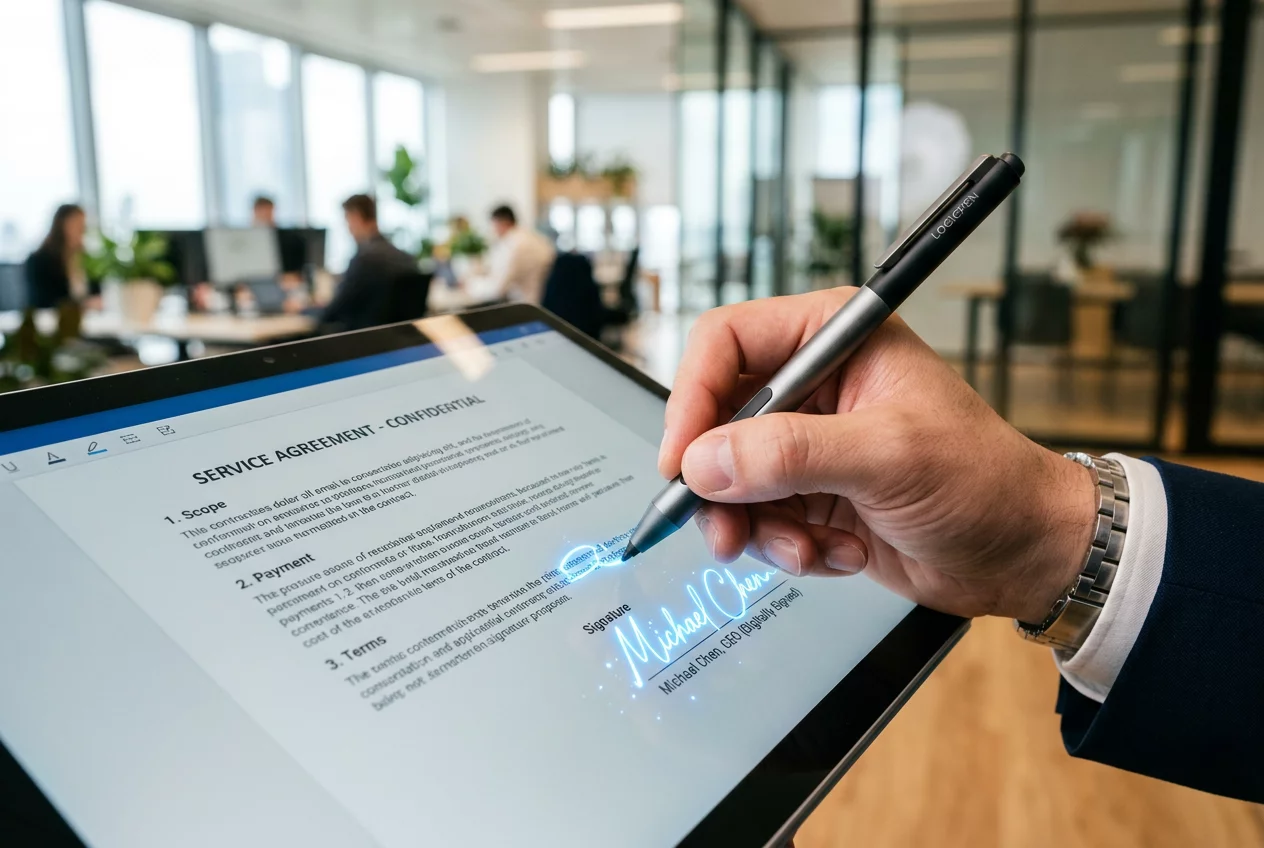
Files are no longer static images of text. Interactive elements allow users to fill forms and trigger external web hooks from within a reader. Smart signatures verify identity using biometric data linked to the document. Information flows between the reader and the company database seamlessly. Take the time to audit current workflows. Identify processes still relying on physical signatures. Replace those outdated steps with digital alternatives. Update the office software to support these advanced features immediately. Train the staff to use these new tools effectively. Otherwise, the organization remains stuck in the inefficient past. Standardizing on high-quality PDF readers ensures compatibility across all devices in the fleet.